.avif)


.jpg)

.jpg)

.avif)




Sending crypto still requires too much technical knowledge. Seed phrases, gas management, 42-character addresses, platform fragmentation. Send removes all of it. We built a three-layer architecture: a unified frontend that ships to web, iOS, and Android simultaneously, a real-time backend for reliability, and an ERC-4337 smart contract wallet system that eliminates gas entirely. Sign with Face ID, send USDC in seconds, fully self-custodial. Here's how it works under the hood.
.png)
Sending money on crypto rails shouldn’t require technical knowledge. No seed phrases. No gas prep. No platform fragmentation. No waiting for confirmations.
Send removes all of that friction.
Our implementation of ERC-4337 account abstraction is one piece of the puzzle, it lets you sign with Face ID and Send USDC without owning ETH - but it’s only the beginning.
Under the hood, Send is a three-layer architecture:
The result is simple: payments that feel instant, familiar, and self-custodial - powered by sophisticated engineering you never have to think about.
What you experience:
Traditional crypto wallets require you to:
After 10 years of crypto innovation, this remains the standard. We asked ourselves: what if none of this was necessary?
Send's architecture eliminates friction at three levels: frontend, backend, and blockchain.
Open Send on your iPhone. Switch to your laptop. Everything works identically. Your payment history, contacts, and settings sync instantly.
We use a unified codebase that deploys to web, iOS, and Android simultaneously. Shared business logic handles payments, user management, and blockchain interactions. Platform-specific interfaces use Tamagui to feel native while sharing approximately 80% of component code.
When we ship a feature, it goes live everywhere at once.
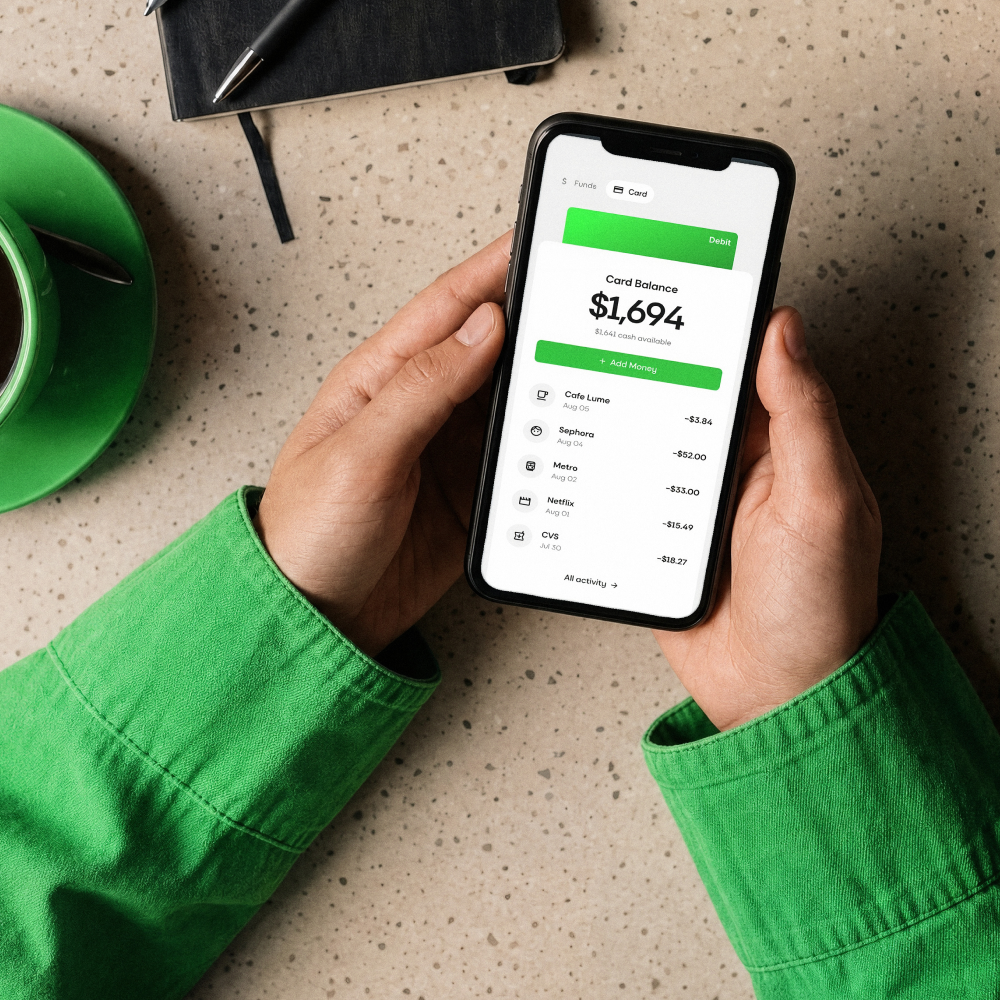
You Send 100 USDC to /alice. Within seconds, both of you see the payment confirmed with push notifications. The infrastructure is designed to minimize failed transfers and stuck payments.
Your tap queries our Supabase database to resolve /alice's Sendtag to her blockchain address. Row-level security policies verify your permissions. Your signed transaction hits Base L2 and confirms in 2 seconds.
Our Shovel indexer monitors Base continuously. When your transaction confirms, it writes the data to PostgreSQL and triggers WebSocket subscriptions for instant updates.
Our Temporal workflow engine ensures reliable completion even if a server crashes mid-process
You've never bought ETH. You don't know what "gas" means. You just Send money to /alice with Face ID.
Base L2: Speed and affordability
We build on Base, Coinbase's Layer 2 network. Transactions confirm in 2 seconds with sub-cent fees. Full Ethereum compatibility means all standard tools and contracts work seamlessly.
Traditional wallets require you to own ETH before Sending any token. We flip this model.
Each Send user gets a smart contract wallet with capabilities normal wallets can't match:
Every Send user gets their own SendAccount smart contract deployed to Base. These verify WebAuthn signatures onchain, execute multi-step operations atomically, and integrate with our paymaster for sponsored transactions.
Send is fully open source. Every line of code is publicly auditable on GitHub.
Transparency builds trust. Users can verify exactly how their money is being managed. Security researchers and contributors make our codebase more robust. Anyone can fork, modify, or self-host Send for their own use cases.
Great technology should be invisible.
You shouldn't need to understand chain IDs, account abstraction, Layer 2 scaling, or ERC-4337 bundlers to Send money to your friends.
Under the hood, Send combines sophisticated blockchain engineering with an obsessive focus on user experience. All in service of one goal: making crypto payments actually work for everyone.
Try Send at Send.app
Want to dig deeper? Our entire codebase is open source at github.com/0xSend/Sendapp
h as ‘TechGuru’ can be a good way to build a tech support brand.
Usernames aid with personal branding because they play a role in differentiation and memorability. People are more likely to remember a unique username. The differentiation helps build a strong and relevant personal brand. Online communities play a key role in identification and association. Online users can therefore build reputations and relationships within these communities through unique usernames. By creating a positive and recognizable online presence through usernames, individuals can build their brand within these communities.
Usernames have been a significant factor for influencers looking to monetize their online presence by landing brand collaborations or affiliate marketing opportunities. A strong account name contributes to an influencer’s online brand identity and marketability resulting in more monetization opportunities.
An authentic username bolsters an influencer’s credibility and relevance to their audience. This is what brands prefer when seeking influencers to create branded content. A highly regarded and influential username boosts the value of an influencer’s content seeing as it can attract potential brands looking to leverage their online traffic and engagement posts.
The evolution of usernames in the future primarily depends on technological innovations that will change user behaviors and expectations in the online sphere. Some of the speculative thoughts on how usernames may evolve include:
Some online platforms are against the use of pseudonyms. However, the real name policy varies with every platform depending on their objectives. Most platforms apply this rule to enhance identity verification and promote accountability. This may be hard to achieve with anonymous accounts. Real Name Policies argue that the use of real names fosters a sense of trust and authenticity among online users.
Stablecoins like USDC and USDT have gained significant traction thanks to their unwavering stability. These coins are tethered to the US Dollar, making them a reliable choice for a wide range of financial transactions.


We’re building a space where ideas move faster, creativity feels effortless, and every message matters. Your support and feedback help shape the future of how we connect, share, and create—together.


