.avif)


.jpg)

.jpg)

.avif)




Canton Network processes $350 billion in daily settlements and carries over $6 trillion in tokenized assets. JPMorgan, Goldman Sachs, HSBC, and DTCC are already on it. USDCx is the stablecoin built for that infrastructure: backed 1:1 by USDC, held in Circle's xReserve on Ethereum, minting natively on Canton. It's not bridged, not wrapped. Privacy is built in, only transacting parties see transaction details. Send is building the access layer so everyone, not just institutions, can use it.
The network processing $350 billion in daily settlements is one most people have never heard of.
@CantonNetwork carries over $6 trillion in tokenized real-world assets. JPMorgan, DTCC, Goldman Sachs, and HSBC are already building on it.
Send, with its suite of Canton-native products, is building the access layer to Canton Network.
USDCx is a dollar-denominated stablecoin built. It is backed 1:1 by USDC, held in Circle's xReserve on Ethereum, and mints on Canton when you deposit. It is not a bridged token nor is it a wrapped asset. It is USDC-backed liquidity that operates natively inside the network where real institutional settlement happens.
Privacy is native to that process. Only the transacting parties see the details of a transaction. It is interoperable with USDC across 20+ blockchains through Circle Gateway and Circle CCTP, without relying on third-party bridges.
Canton became the first blockchain connected to Circle xReserve when USDCx launched at the end of 2025. That made USDCx the stablecoin for a network processing more real financial settlement in a day than most blockchains handle in a year.
@USDC is general-purpose. Send it to an address, and you're done.
USDCx is built to follow a process. Settlement depends on conditions being met, approvals being granted, counterparties fulfilling their obligations.
What stays the same: Dollar-denominated and backed 1:1 with USDC.
What changes: Lives on Canton Network, privacy-enabled by design (only transacting parties see transaction details), built for multi-party workflows, and interoperable with USDC across 20+ blockchains.
Backed by USDC: locked in Circle's xReserve on Ethereum.
Mints on Canton: deposit USDC, receive USDCx.
Interoperable across 20+ blockchains: connected to USDC without third-party bridges.
Most blockchains were not built for institutions. Canton was.
Developed by Digital Asset, Canton is a Layer 1 architected around what institutions actually require.
That is why the roster reads like a financial markets cap table. Goldman Sachs, HSBC, JPMorgan, DTCC, Chainlink, Kraken. Nearly 400 institutions, $6 trillion in tokenized assets, $350 billion settling daily.
The institutional onramp already exists. @Send is building the one for everyone else. In 2025, Send secured its second validator on Canton Network, deepening its commitment to the infrastructure where real financial settlement is already happening at scale.
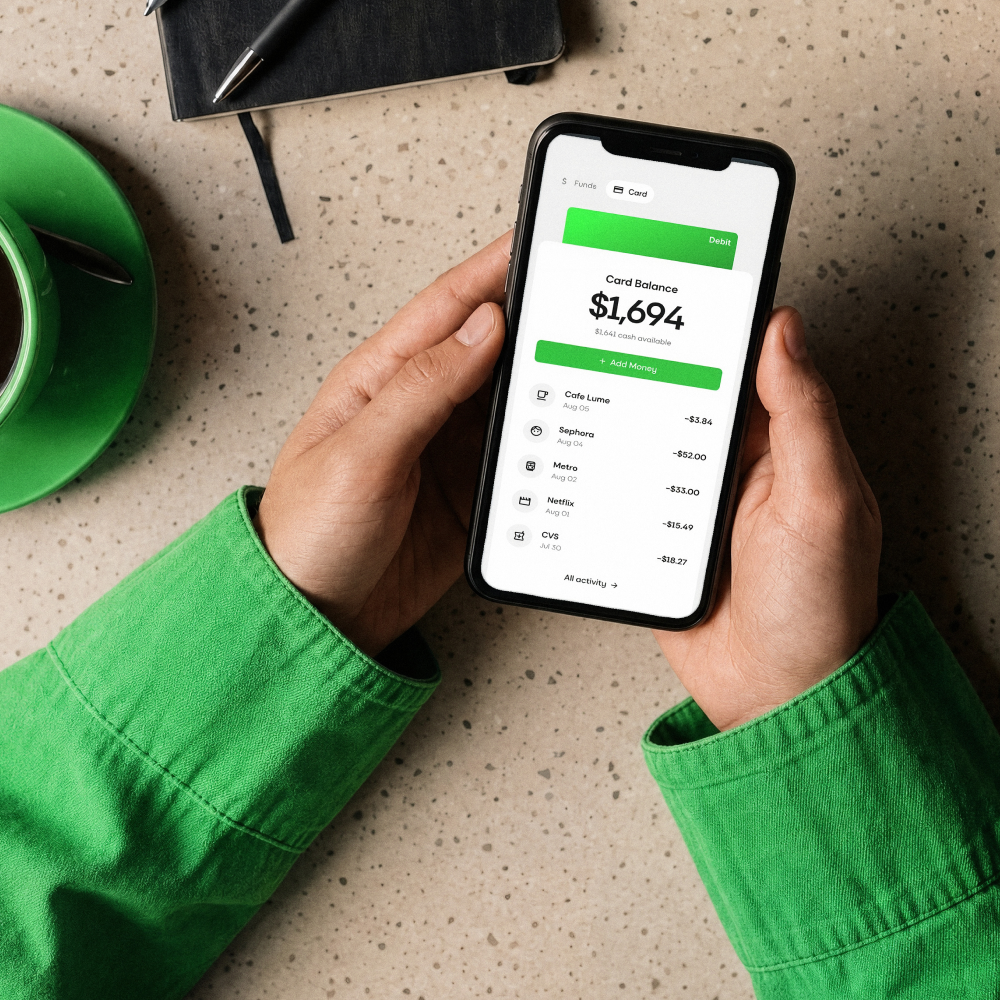
Send App on Canton Network includes access to Send Safe, Pool Party, CUSD, and a USDC to USDCx bridge.
Move from Ethereum to Canton natively, no centralized exchange required, no KYC. The infrastructure is built. The institutions are live. Almost no one outside institutional finance has access yet. That gap is where early positioning happens, and it is open right now.
/send it.
Access requires verification. Register a paid /Sendtag, add $25 to the savings vault, and hold 3,000 $Send. Verified /Senders get early access to Pool Party, rewards, and upcoming launches.
Register at: www.send.app
USDCx is created by a decentralized protocol on Canton, connected to Circle xReserve. Circle backs it through xReserve.
No. Bridged USDC uses third-party protocols. xReserve is Circle's infrastructure connecting USDC on Ethereum to USDCx on Canton directly.
Because $6 trillion in assets and $350 billion in daily settlements are moving onto this network. When that infrastructure becomes accessible, it changes what is possible for everyone. Send is making it accessible now.

We’re building a space where ideas move faster, creativity feels effortless, and every message matters. Your support and feedback help shape the future of how we connect, share, and create—together.